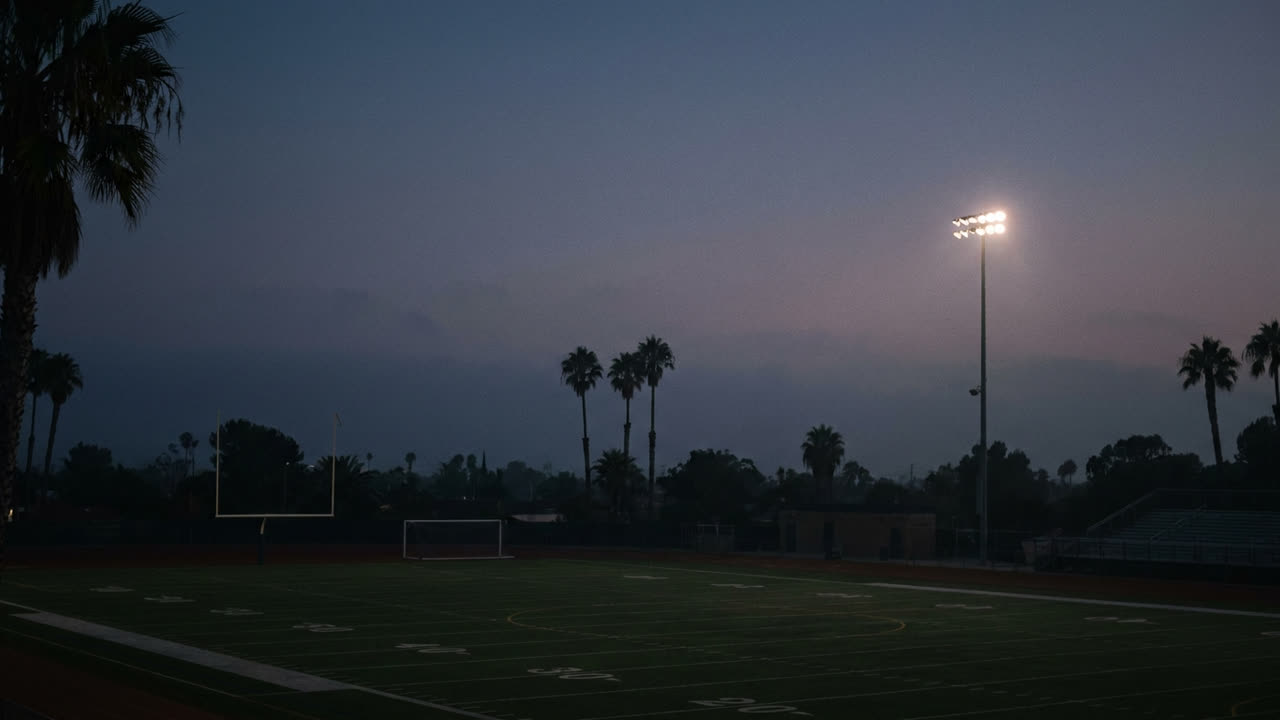
Film 01
The Ledger
Nobody hands you a ledger the day you become a father. But the account is open, and you are making deposits every day whether you know it or not.
An essay series about what fatherhood actually costs, turned into five short films. Written, voiced, generated and cut by one person at a kitchen table.
My daughter Rylie is two and a half. My three sons are grown men. I was in my sixties when she arrived, which means I have now done the first decade of fatherhood twice, thirty years apart, with a very different man showing up each time.
That gap taught me something I did not know the first time around. Fatherhood never asks whether you are ready. It makes withdrawals from you every day whether you meant to make them or not. The only real question is what you are depositing.
So I started writing it down. Five essays so far, published weekly. Then I did the thing I have spent forty years telling clients to do, which is stop describing the work and go make it.
The hard part was never the tools. It was knowing what the piece was actually about before I shot a frame of it.
Every film here started as a finished essay with a real memory underneath it. A camera taped to a boy's head with duct tape. A sentence my own father said over a car engine and forgot by dinner. A driveway in the twilight at forty-one. None of it is invented, which is the only reason any of it works.
Nobody hands you a ledger the day you become a father. But the account is open, and you are making deposits every day whether you know it or not.
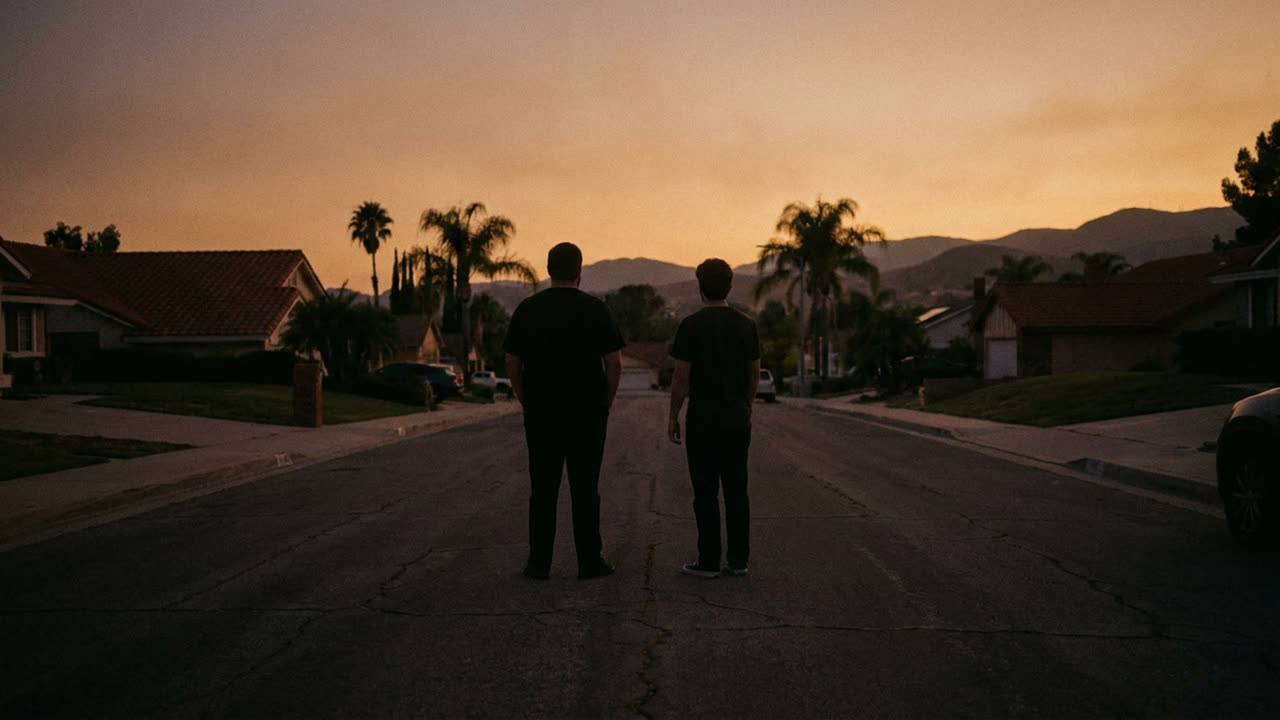
An apology you never make does not disappear. It just gets more expensive. Built around a GoPro, a roll of duct tape, and the worst afternoon of a hard year.
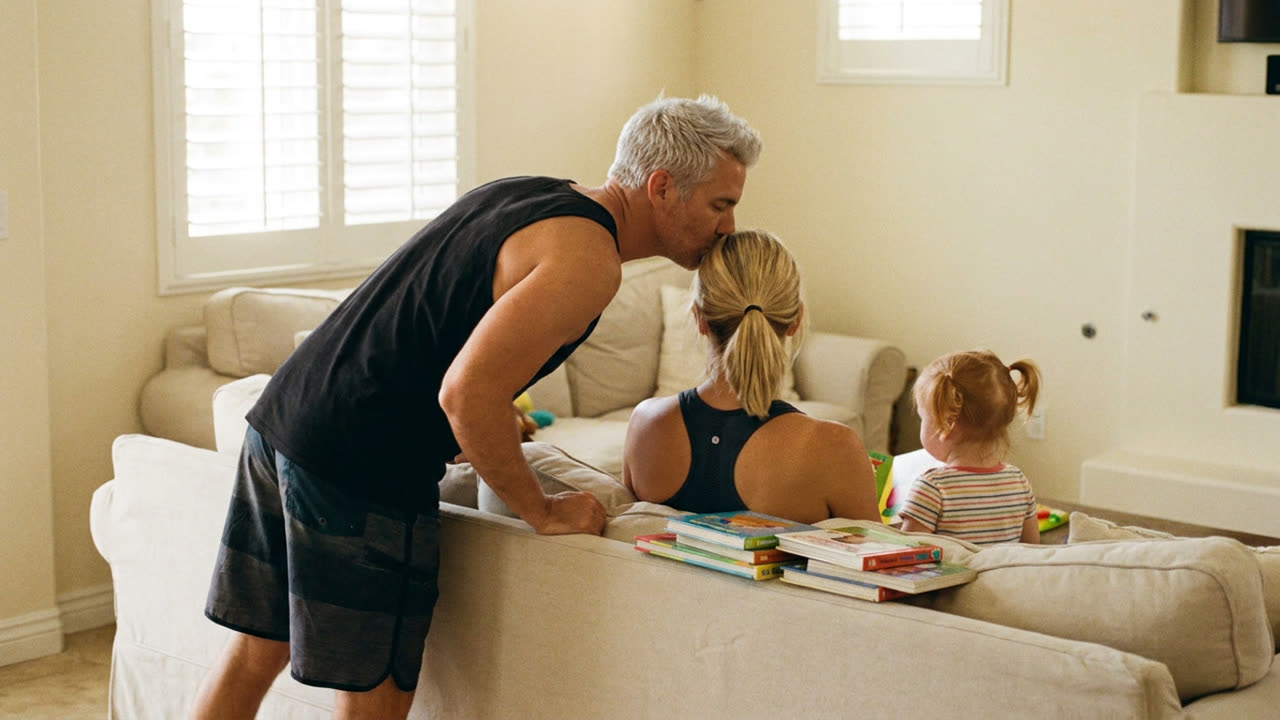
A daughter learns what she is worth by watching what her father is willing to pay for her mother. Two seconds on an ordinary morning, banked for life.
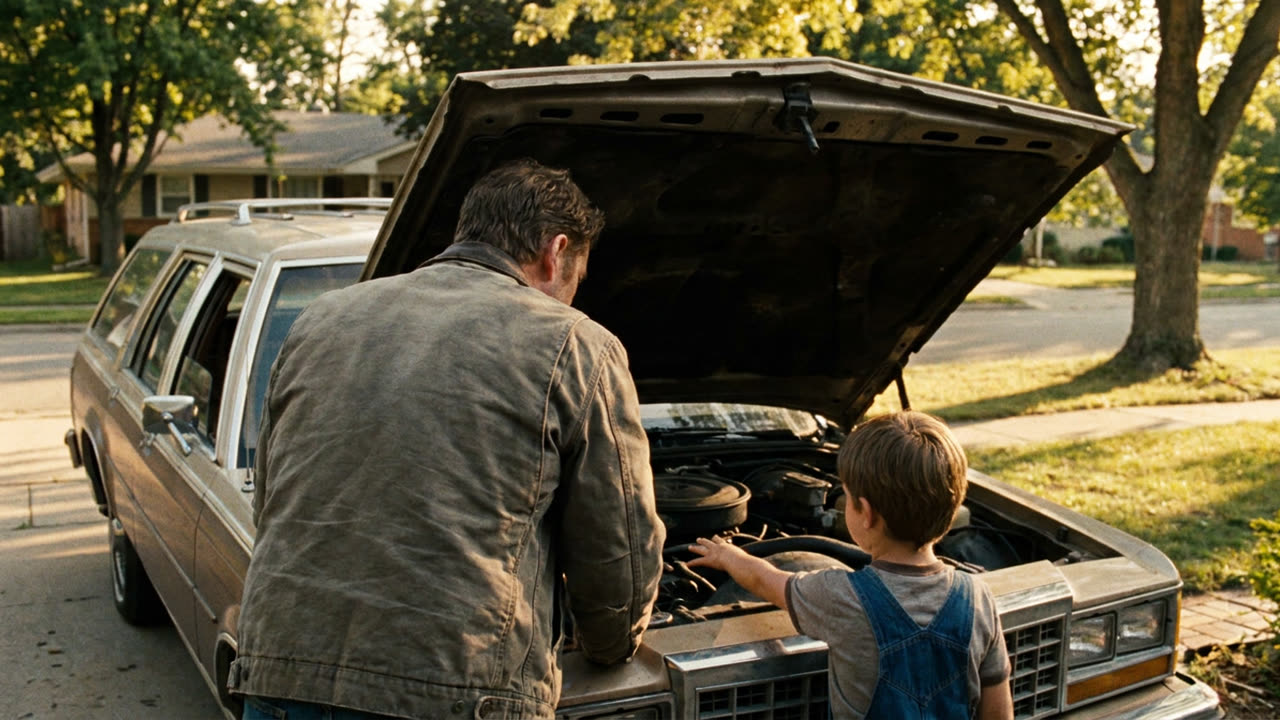
The line a father forgets by dinner is the one his child carries for forty years. He forgot it by dinner. I built a life around it.
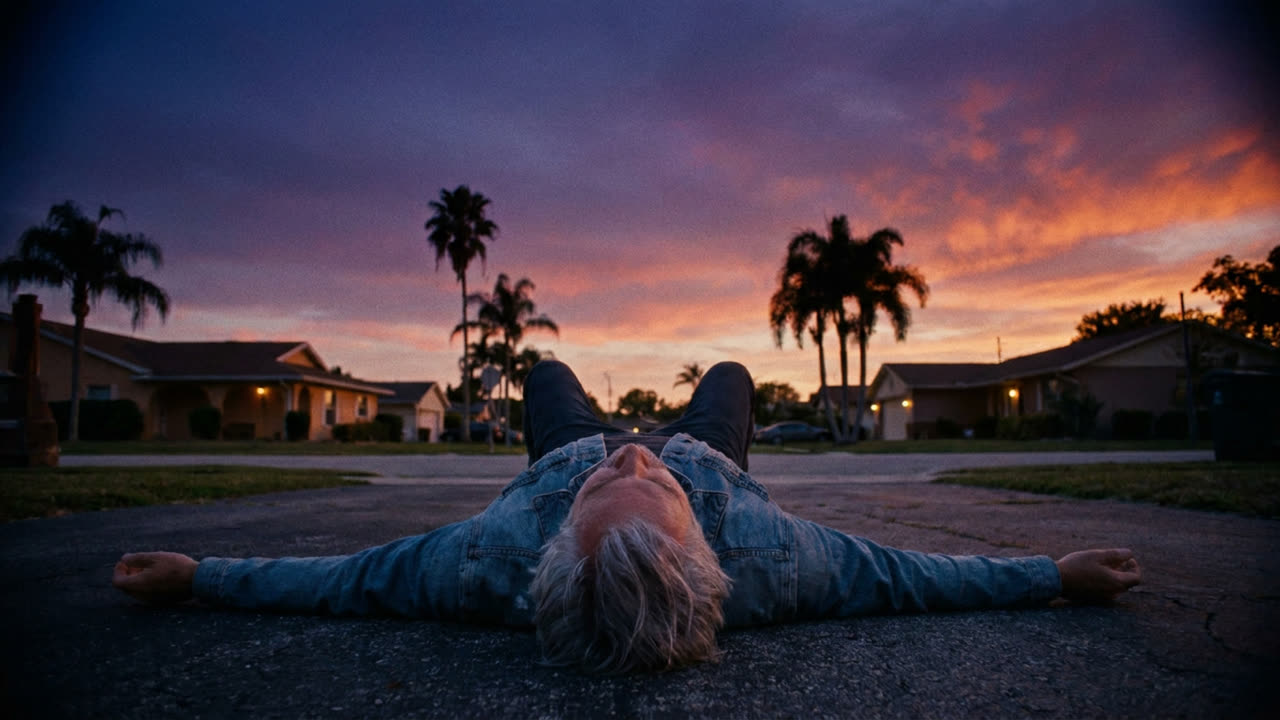
Every parent is funding an account they might not live to see mature. I am just further along in the arithmetic than the other fathers at the park, and a good deal more honest about it.
I am putting the whole process here on purpose. Most people showing AI-assisted video right now are selling the tool. I would rather show the constraints, because the constraints are where the craft lives.
No film started until the essay was finished and worked on its own. Every piece is anchored to one real memory I can still see. Generative tools will happily make you six beautiful minutes about nothing, and that is the failure mode nobody warns you about.
My own voice, one microphone, a windscreen, mostly single takes. Cleaned up afterward with noise reduction and a de-click pass. My son listened to the first one and told me I had too many mouth sounds and should have used a pop filter. He was right, and that note improved every film after it.
Stills first to lock the look, then motion clips from those stills. The trick that made them feel filmic instead of synthetic was generating ten-second clips and slowing them four times rather than stretching five-second clips seven times. The shorter source judders. The longer source drifts.
I ran silence detection across the narration to find where I actually breathed and paused, then cut every picture change to those beats. Uniform segment lengths look like a slideshow. Beat-matched cuts feel like the images are listening to the words.
This began as a privacy rule. I will not put my daughter's face on the internet. It turned into the visual signature of the whole series. Shot from behind, from the side, from above, always just past the point where you could identify anyone. A constraint you accept honestly tends to become the style.
The same theme sits under every film at the same level. It is the cheapest way to make five separate pieces read as one body of work, and it is the thing most brand video skips.
Most of my portfolio is work written to somebody else's brief, for somebody else's brand, inside somebody else's approval chain. That work is good and I am proud of it. It also hides the part clients are really buying.
This series is the whole chain in one place. Finding what a piece is about, writing it so a stranger feels it, choosing a channel, building the thing, putting it in front of people, and being honest about what came back. That is the same job whether the subject is fatherhood or fleet electrification. Only the vocabulary changes.
If you are evaluating whether I can carry a story from a blank page to a finished asset that moves someone, six minutes here will tell you more than any deck I could send.
I write automotive and B2B content for OEM, fleet, and dealership brands. Retainers, audit sprints, and project work. If you want the same treatment applied to your story, start here.
Start a conversation